Dark Fiction Author

Tag: witch hunt

When the truth leads you astray

I’ve heard it said that, “You are entitled to your own opinion, but you are not entitled to your own set of facts.” I fall back on the saying occasionally when engaged in a debate where the facts will only show one answer. No gray area. Just black or white, right or wrong.

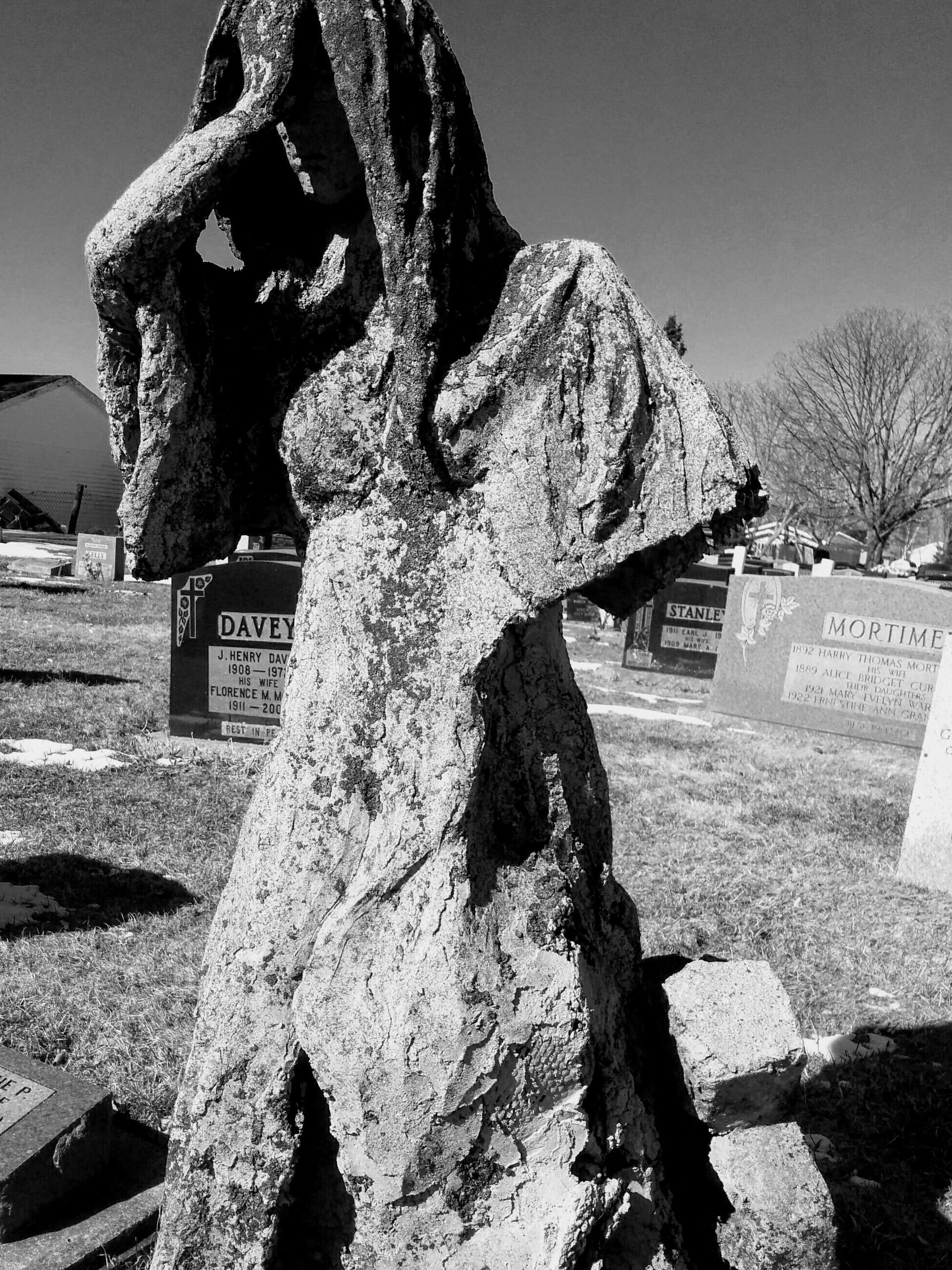
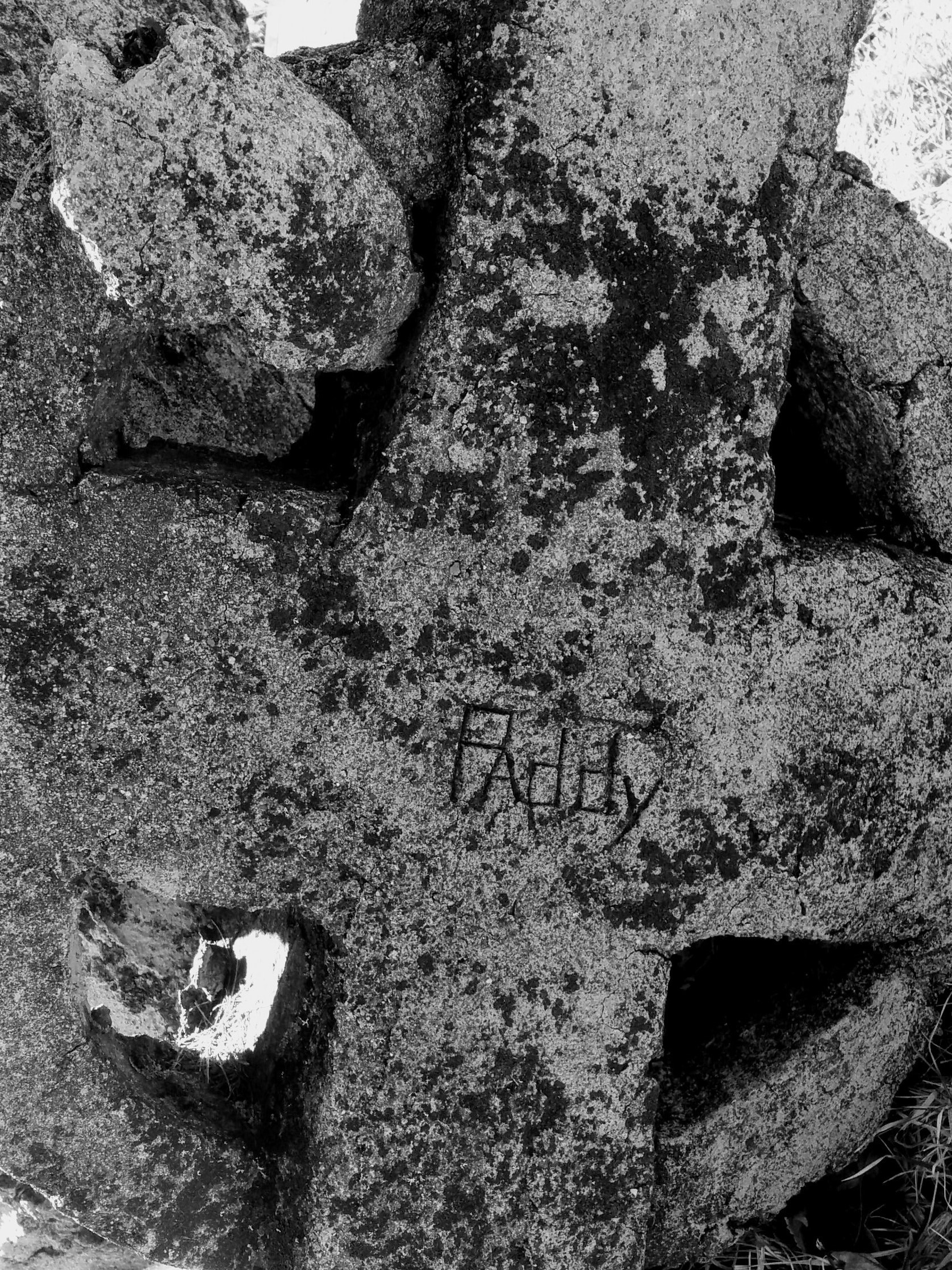
One such story is the tale of Paddy McGuinness, the so-called female witch. As the rumor goes, she poisoned children in the early 1900s and a successful witch hunt led her to the gallows where she was publicly hanged for her crimes. People say her tombstone is in The Roman Catholic People’s Cemetery in Charlottetown. The weathered statue depicts a grief-stricken woman holding a hand to her face. An old cross leans up against her, tilted at an odd angle, probably the result of Mother Nature’s powerful forces. My research shows that she isn’t buried below the witch’s tombstone in Charlottetown at all. In fact it’s a man by the name of Patrick Paul McGuinness. Paddy is a common nickname for Patrick.

As well, sources say that that area of the cemetery is no older than 1960, so the Paddy McGuinness timeline doesn’t square with the facts. In efforts to further debunk the myth, I reached out to PEI history guru Ed MacDonald.

He writes: “Jim Hornby published a history of capital punishment on PEI through Island Studies Press about 20 years ago now. No mention of a Paddy McGuinness there. I suspect the story is a complete fabrication possibly concocted by combining two incidents: one old legend about The Witch of Port Lajoie, which was made into a novel by Joyce Barkhouse and concerns a supposed witch from the French Regime on PEI in the 18th century; and the well-known case of Minnie McGee of St. Mary’s Road, who poisoned five of her children in 1912 but was not hanged. She spent the remainder of her life either in prison or a mental hospital… Minnie was no witch, just a tragically troubled mother.”
According to a news story in The Graphic, in “April 1912, Minnie McGee poisoned her six kids by soaking phosphorus matches in weak tea, and giving it to them to drink. They became deathly ill within days: they vomited, their pulses weakened, their hearts failed. The first five children died on the same day: Louis (age 13), Penzie (age 12), Georgie (age 8), Bridget (age 6) and Thomas (age 5). Johnnie (age 10) died two days later.”

In her confession, Minnie, whose real name was Mary Cassidy-McGee, reportedly said, “They will be better off. They will be in heaven.”

The Minnie McGee story is a tragic account of a woman who endured much hardship and suffering and found herself in a position of utter despair and hopelessness. Prior the poisoning, two of her children had died from pneumonia. Evidently her husband Patrick was frequently away from home seeking work and often beat her. “Pat, my husband, used to beat me quite often. He would beat me when I was sick in bed.”

Some may find it hard to have sympathy for a woman who poisons her children. But when you consider her situation—a poor, abused, troubled woman raising six children by herself in the winter of 1912, it is hard not to feel a pang of sadness for her plight. After all, she lived during a time when spousal abuse was hardly frowned on; there were few counselors, no shelters, no government hand-outs or food banks. With no one to turn to for help, the weight of her burden became too much.
Although Minnie was originally sentenced to hang, the community rallied around her and in the end her sentence was commuted to life imprisonment. She spent part of her days in jail and part of her days in an insane asylum, before passing away in 1953.

So, where am I going with all this? Well, what started out as a story of the so-called witch called Paddy McGuinness has morphed into a tale that will combine the tragedy of Minnie McGee with The Witch of Port Lajoie. A cursory search of major book retailers showed no such book currently available for purchase. I guess I’ve come full circle. I find myself once again searching for an elusive witch. Research takes you down strange and unexpected paths.

Tune in next week for a follow-up.

Thanks for stopping by, please leave comments below, and have an awesome day.
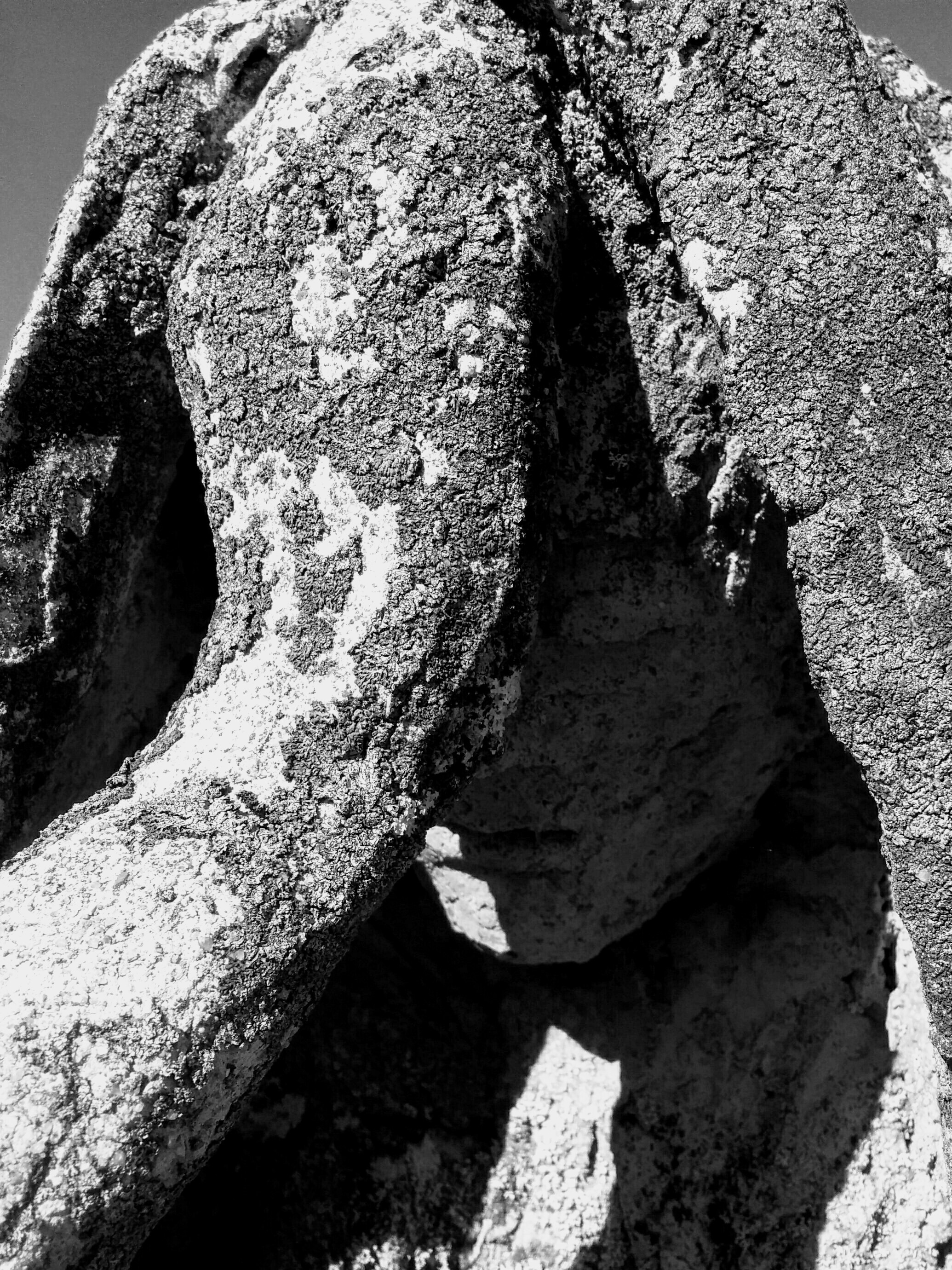
Where the hell is the witch’s tombstone?

Where the hell is the witch’s tombstone? I’ve started doing some preliminary research on a story idea that’s gelling in my head and I’m trying to locate the whereabouts of the witch’s tombstone on Prince Edward Island. PEI is rich in ghost folklore and haunted stories so maybe there is more than one.

Searching Facebook groups dedicated to the paranormal, I’ve unearthed a number of possibilities.

Location One. The witch’s tombstone is said to be in Charlottetown in The People’s Roman Catholic Cemetery, 110 Kensington Road, behind the Saint Pius Catholic Church. The tombstone, made from concrete and wire mesh, depicts a cloaked, grief-stricken young woman, with a weather-beaten cross leaning against her. Her left arm has been amputated, probably the result of Mother Nature’s wrath.

Location Two. In PEI’s Pioneer Cemetery Road and rumored to be the grave of a pioneer involved in a shipwreck. The ground is said to be mysteriously raised in a circle around a number of graves. Problem is, a Google search produced at least four Pioneer Cemetery Roads in PEI.

Location Three. On or near Cemetery Road in Borden in Seven Mile Bay area, beside or behind Saint Peter’s Catholic Church. Apparently that tomb stands alone, in the middle of nowhere. On a night near Halloween, a group of supernatural enthusiasts reportedly decided to visit the tomb. It was a dark and eerie night and none of them were brave enough to get real close to it. Eventually they decided to return to their vehicles and inexplicably they saw a downed tree on the road blocking their paths. It was a windless and calm night and they hadn’t even heard the tree fall. They cleared the downed tree away from the road, rushed to their vehicles and beat a hasty and fear-filled retreat.

The tombstone in Charlottetown is the one that intrigues me the most, primarily because I visited the cemetery a few days ago, located and photographed it. The image of Paddy McGuinness, rumored to be a witch, is both scary and sad. Scary, because she is rumored to have started a cult that poisoned and killed children before a successful witch hunt led her to the gallows where she was publicly hanged around the early 1900s. Sad, because the portrait of grief the tombstone depicts is deeply moving.

CBC News published a story August 11th, 2011, about a mother-daughter team who formed the Island Paranormal Research Group (IPRG) and visited the witch’s tombstone in Charlottetown. A picture shows them at the witch’s tombstone taking readings with various electronic ghost hunting equipment. Many Google searches produced no evidence that IPRG still exists.

Multiple searches of previously active PEI paranormal groups suggests all of them are now defunct.

Trying to disentomb clues, I’ve smashed head-first into a weathered and mysterious concrete tombstone. None of the Facebook group members responded to my queries. Maybe there are several witch’s tombs on PEI, but for now I’m concentrating on the one in Charlottetown. I’ve heard some students at the University of Prince Edward Island did some research on the topic but so far my efforts in that department have led to a dead end. I do have a few feelers out however, and I might hear something yet.

During my recent visit to the witch’s tombstone in Charlottetown, I noticed a phone number for the cemetery. I called the number and that led to three conversations—two with helpful cemetery officials and one with a helpful cemetery caretaker.  Here’s what I learned. That part of the cemetery where the witch’s tombstone is located is no older than the 1960s or 1970s. The tombstone or monument depicting a woman painfully carrying her life burdens is probably no older than 1960. There is no record of a female called Paddy McGuinness buried in that plot number where the tombstone is. There is, however, a male buried in that plot number by the name of Patrick Paul McGuinness. I am still investigating the date and details surrounding his death, but my information suggests it certainly would not have been in the early 1900s, since that part of the cemetery is much newer than that.

As well, Paddy (with that spelling) is a common nickname for a male named Patrick.

Throughout history, hundreds of people have been falsely accused and convicted of witchcraft, many tortured, publicly hanged or burned at the stake. Misinformed people believed they’d made a pact with the devil—consummated by sex—that gave them supernatural powers potent enough to wreak chaos, harm and death. They were considered heretics who had sold their souls to the devil and had become the devil’s hand maidens—implements of Satan’s evil agenda.

The term witch hunt has come to define a reckless crusade or investigation untethered to the truth.

So, was Paddy McGuinness a witch? Was she much maligned?

Did she even exist? Is she merely imaginative fiction unrooted in fact?

Or was she actually Patrick Paul McGuinness?

Either way, I plan on resurrecting the Paddy McGuinness story or another similar tale from the grave to haunt, educate, and entertain readers. I was hoping to write a fact-based narrative but so far I have no facts to support what my online paranormal research has said about the witch, Paddy McGuinness.

Does anyone know anything about the so-called witch called Paddy McGuinness? Does anyone know the story behind the witch’s tombstone at The Roman Catholic People’s Cemetery in Charlottetown? Does anyone know of any other witch’s tombstones on PEI (exact locations would be nice) and the stories behind them? Are there any active paranormal groups on PEI that wouldn’t mind an intrepid author joining them on some paranormal investigations?

Any light you could shed on this dark subject would be greatly appreciated.

The Paddy McGuinness mystery continues.

Please post your comments below and have an awesome day.

Powered by WordPress & Theme by Anders Norén